
 By
By 
You might be feeling that quiet mix of worry and responsibility that comes with caring for a pet. Maybe your dog has started limping, your cat hides the moment the carrier comes out, or you want to make sure a small problem does not turn into a bigger one. Before you choose a care provider, everything can feel uncertain, especially when you are trying to find the right veterinarian in Dewitt. After you find the right clinic, though, the experience often feels calmer, clearer, and much easier to manage. That is really the heart of what separates one small animal veterinary hospital from another. The best ones do more than treat illness. They reduce stress, communicate well, and help you stay ahead of problems.
If you have ever wondered what actually makes one pet hospital stand out, the answer usually comes down to services that support both medical care and your pet’s day-to-day comfort. From low-stress handling to better communication and preventive wellness care, these details shape the whole experience.
Why do some small animal hospitals feel calmer and more trustworthy?
When your pet is sick, you are not just looking for a building with exam rooms. You are looking for people who notice the details, explain what matters, and make your pet feel as safe as possible. That matters because fear can affect everything. A nervous dog may resist an exam. A frightened cat may shut down, hide symptoms, or become hard to handle. Because of this tension, you might wonder whether a gentler approach really changes outcomes. In many cases, it does.
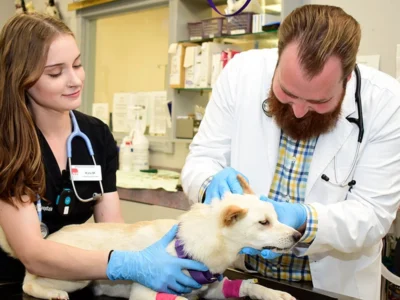
One service that often sets a pet veterinary hospital apart is low stress handling. This approach focuses on reducing fear during exams, procedures, and routine visits. According to Ohio State University’s guidance on implementing low stress handling in practice, small changes in body language, environment, restraint methods, and timing can make visits easier for pets and safer for staff. For you, that can mean a pet who recovers from the visit more quickly and is less likely to panic the next time.
Another key difference is communication. It is one thing for a veterinarian to know what is happening medically. It is another to explain it in a way that helps you make decisions without feeling rushed or lost. Washington State University highlights the value of clinical communication in veterinary training, and that matters more than many people realize. Good communication can help you understand treatment options, costs, timing, and what signs to watch for at home.
So, where does that leave you if your pet seems healthy today? That is where preventive care stands out. A hospital that invests in annual wellness visits is often trying to catch trouble early, before your pet shows obvious signs. The University of Georgia explains how annual wellness exams support early detection, vaccine planning, and age-based care. That kind of service can save worry, money, and time over the long run.
What 4 services often set a small animal care hospital apart?
First, low-stress handling can change the tone of the entire visit. If your pet has ever trembled in the waiting room or fought through a nail trim, you already know how hard those appointments can be. A hospital that uses fear-reducing methods is not just being kind. It is making exams more accurate and care more consistent.
Second, strong diagnostic support matters. This includes services like in-house lab work, imaging, and careful monitoring. What if your pet stops eating on a Friday afternoon? Faster testing can help the medical team decide whether it is simple stomach upset or something that needs urgent treatment.
Third, wellness and preventive care make a real difference. Vaccines, parasite screening, dental checks, and senior pet screenings may seem routine, but they often reveal hidden issues before they become emergencies. This is one reason many people seek out a small animal hospital instead of waiting until something goes wrong.
Fourth, clear communication and follow-up support can ease a lot of stress. You should not leave an appointment wondering what the diagnosis means, when to give medication, or whether a symptom is normal. Good follow-up helps you care for your pet with more confidence once you are back home.
How do these veterinary hospital services compare in daily life?
It can help to see how these services affect the real experience of care, not just the list on a website. The table below shows the difference between a basic visit and a more service-focused approach at a small animal veterinary setting.
| Service Area | Basic Approach | Higher Value Approach | Why It Matters |
|---|---|---|---|
| Handling during exams | Standard restraint with limited adjustment | Low stress handling tailored to pet behavior | Can reduce fear, improve exam quality, and make future visits easier |
| Communication | Brief explanation at discharge | Clear discussion of diagnosis, options, costs, and home care | Helps you make informed choices and avoid confusion |
| Wellness care | Vaccines only when due | Annual exams with age and lifestyle-based screening | Supports early detection and prevention |
| Diagnostics | Outside referrals for many tests | Timely in house or coordinated testing | Can speed up answers when your pet is unwell |
If you have ever dealt with a pet emergency, you know how quickly small details become big ones. A nervous pet, unclear instructions, or delayed testing can add pressure to an already hard day. On the other hand, thoughtful service can make the same situation feel manageable.
What can you do right now to choose the right veterinary hospital?
1. Ask how the team handles anxious pets. If your pet struggles with visits, ask whether the hospital uses low-stress techniques, quieter spaces, or appointment strategies for fearful animals. This one question can tell you a lot about the clinic’s approach.
2. Look at preventive care, not just urgent care. A good animal hospital should not only be ready when your pet is sick. It should also help you prevent problems through exams, screenings, vaccines, and dental support.
3. Pay attention to communication. During your first call or visit, notice whether the team answers questions clearly and respectfully. You should feel informed, not brushed off. When communication is strong early on, it is often strong when things get more serious too.
How do you move forward with more confidence?
Choosing care for your pet can feel heavy because it matters so much. Still, you do not have to sort through it blindly. When you focus on the services that shape real outcomes, such as low-stress handling, preventive care, diagnostics, and clear communication, the path gets easier to see. A good veterinary hospital supports both your pet’s health and your peace of mind.
If you are comparing options, start with a few simple questions and trust what the answers reveal. The right fit often shows up in how a hospital treats routine moments, not just major ones.





Comments