
 By
By 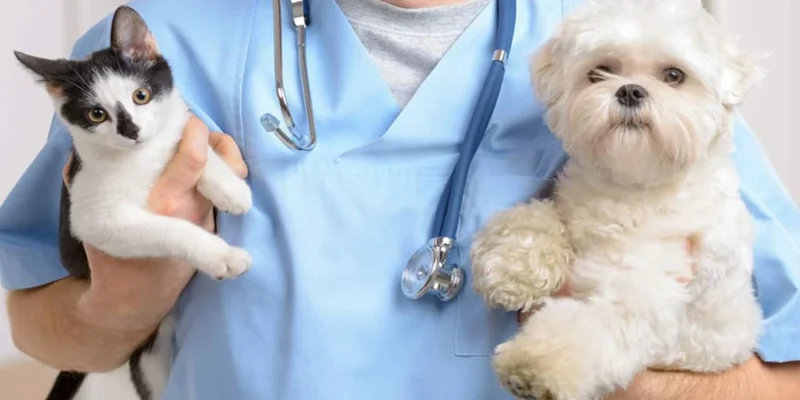
You might be juggling more than you want to admit. There is the food your pet will actually eat, the scratching that started last week, the vaccine reminder you meant to schedule, and that quiet worry in the back of your mind asking whether you are missing something important. Pet care can feel simple until it suddenly does not, and when life gets busy, even routine needs can start to feel heavy. If you are looking for a trusted veterinary clinic in Kanata, ON, having the right support can make those concerns feel much more manageable.
That is why many families lean on a general veterinarian for the kind of care that keeps small issues from turning into stressful ones. In plain terms, the right clinic can make pet care easier through preventive exams, vaccinations, diagnostic testing, dental care, and treatment for common illnesses. When these services are handled in one place, you spend less time guessing and more time feeling confident that your pet is getting what they need.
Why does a general veterinary clinic make everyday pet care feel more manageable?
Most pet owners are not struggling because they do not care. They are struggling because pets cannot explain what hurts, symptoms can be easy to miss, and online advice often leaves you with more questions than answers. A little limp could be a strain, or it could be something that needs quick attention. A change in appetite might pass, or it might point to a deeper issue. Because of that uncertainty, routine care matters more than many people realize.
A general veterinary clinic helps by giving you one steady place to turn for both routine and unexpected needs. That consistency matters. Your pet builds a medical history over time, and your veterinary team starts to notice patterns, changes, and risks that would be easy to overlook in a one time visit elsewhere.
If you are wondering what services actually lighten the load, five stand out.
Which 5 services simplify care the most at a pet clinic?
1. Wellness exams and preventive checkups. These visits are often where problems are caught early. Weight changes, skin issues, joint stiffness, and heart concerns can all show up during a routine exam before they become bigger and more costly. Preventive care is a big part of keeping pets healthy over time, and resources from Washington State University on preventive veterinary health care explain why these regular visits matter so much.
2. Vaccinations and parasite prevention. Fleas, ticks, heartworms, and contagious diseases are easier to prevent than treat. A clinic can build a schedule that fits your pet’s age, lifestyle, and risk level. If your dog goes to parks or boarding, or your cat spends time outdoors, that plan becomes even more useful. The CDC healthy pets guidance also reminds pet owners that preventive care protects both animals and people in the home.
3. In house diagnostics. When your pet is sick, waiting is often the hardest part. Basic bloodwork, fecal testing, urinalysis, and imaging can help your vet move from guesswork to answers faster. That means quicker treatment and fewer return visits built around uncertainty.
4. Dental care. Dental disease is common, and it often hides in plain sight. Bad breath, trouble chewing, pawing at the mouth, or dropping food can all point to discomfort. Cleanings and oral exams do more than freshen breath. They can lower pain and help protect long term health.
5. Treatment for common illnesses and minor injuries. Ear infections, stomach upset, allergies, hot spots, limping, and urinary issues are the kinds of problems that can throw your whole week off. Having a trusted clinic for these everyday concerns makes care more straightforward. Instead of wondering whether to wait, search online, or rush somewhere unfamiliar, you have a practical first step.
What happens when you delay care, and when does a veterinary care center help most?
It often starts small. Your dog shakes their head a bit more than usual. Your cat hides for a day. Your older pet seems slower on stairs. You tell yourself you will watch it, and sometimes that is reasonable. But sometimes a manageable issue becomes a painful one, and that is where delays can cost more in stress, time, and money.
Think about an untreated ear infection. At first, it may look like minor irritation. A week later, your pet is miserable, the infection is worse, and the treatment may be longer and more expensive. The same pattern can happen with dental disease, skin problems, and digestive trouble. A pet care clinic helps interrupt that cycle by giving you a clear place to check concerns early.
So, where does that leave you if you are trying to be careful with both your pet’s health and your budget? Usually, it means focusing on steady care instead of crisis care whenever possible.
How do routine services compare with waiting until there is a problem?
When you look at pet care in practical terms, the value of routine visits becomes easier to see.
| Service Approach | What It Helps With | Likely Outcome | Stress Level for You |
|---|---|---|---|
| Routine wellness exam | Early signs of illness, weight, mobility, skin, behavior changes | Problems may be found sooner, often with simpler treatment | Lower, because you have a plan |
| Vaccines and parasite prevention | Common infectious diseases, fleas, ticks, heartworms | Lower risk of preventable illness | Lower, because care is scheduled |
| Dental cleaning and oral exam | Pain, infection, tooth and gum disease | Better comfort, fewer hidden oral issues | Moderate now, often lower later |
| Waiting until symptoms worsen | Only addresses issues after they grow | May require more testing, more treatment, and more recovery time | Higher, because decisions feel urgent |
What can you do right now to make a general veterinarian work for you?
1. Build a simple care calendar.
Write down annual exams, vaccine due dates, parasite prevention, and dental check reminders. If your pet has a chronic issue like allergies or arthritis, add follow up dates too. A basic calendar turns vague worry into a plan.
2. Track small changes before the visit.
Note changes in appetite, water intake, energy, bathroom habits, scratching, coughing, or mobility. Short notes and a few photos can help your vet spot patterns faster. You do not need a perfect record. You just need enough detail to paint a clearer picture.
3. Use one clinic for routine and common sick visits when you can.
Consistency helps. A clinic that knows your pet’s history can often make better decisions, faster decisions, and more cost aware decisions. That is one of the simplest benefits of working with a general veterinarian instead of bouncing between scattered providers.
What should you remember when pet care starts to feel overwhelming?
You do not have to solve every pet health question on your own. Most of the stress comes from not knowing what matters, what can wait, and what needs attention now. The good news is that many of the hardest parts of pet ownership become easier when routine care, prevention, diagnostics, dental support, and treatment for common issues are all handled through one trusted clinic.
If your pet is due for a checkup or if something just feels off, now is a good time to schedule a visit and get clear next steps. A little support today can spare both you and your pet a lot of strain later.








Comments