
 By
By 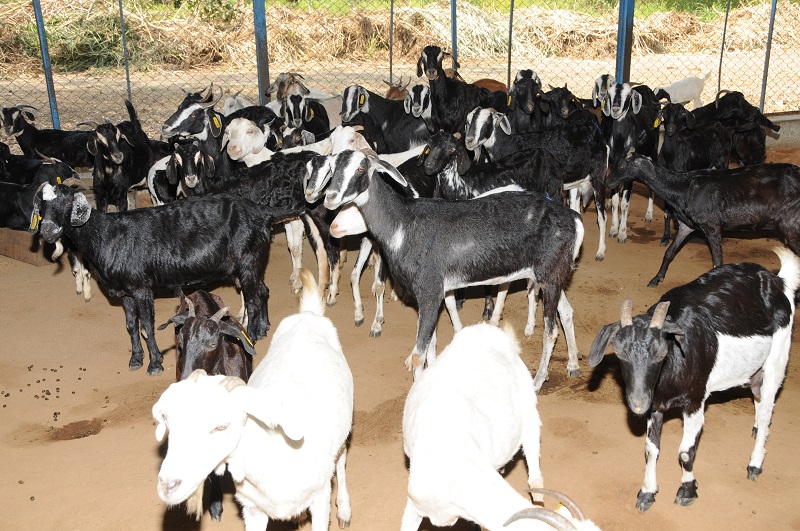
Though it’s not a common sight, housing sheep and goats together can be a mutually beneficial arrangement with some preparation and management. Both species are ruminants with complimentary grazing patterns, which usually results in more effective use of the pasture. Still, their varied demands and behaviors have to be handled if we are to guarantee safe and healthy surroundings for everybody. This covers closely shelter, fencing, and feeding techniques. So can sheep and goats live together? Let us have a proper look into that now.
Fencing and Space: Lines of Control for Contentful Living
Goats are well-known escape artists that need a strong fence. Ideal is at least four feet high woven wire fencing, with smaller holes at the bottom to stop children from squeezing through. Combined with the woven wire, electric fencing can discourage both animals from straying beyond their boundaries. Another essential space is ours. Increased resource rivalry and a higher risk of disease follow from overcrowding. Provide each animal at least 20 square feet of indoor cover as well as enough outside room for grazing and wandering. To accommodate different tastes, set aside various resting places inside the shelter; goats often choose raised platforms while sheep often choose ground-level bedding.
Dietary Requirements: Customizing a Group Feeding Plan
Although both sheep and goats are ruminants, their diets vary. Whereas sheep are grazers, emphasizing grasses, goats are browsers, preferring bushes, leaves, and forbs. Providing a range of fodder choices on the pasture meets their demands. If extra feeding is needed, think about set apart feeding stations. If left alone, goats might rule food supplies and be opportunistic eaters. To keep feed from the outdoors and stop contamination, sheltered feeders are absolutely vital. Always guarantee fresh, clean water availability by means of several water sources, therefore reducing rivalry.
Shelter and bedding: comfort and defense against the elements
Sheep and goats both require cover from extreme temperature. A well-ventilated barn or shed offers enough cover from bad winters, hot summers, and cool temperatures. Warmth, comfort, and hygienic standards depend on enough bedding. Good options are shredded paper, wood shavings, or straw. To stop the accumulation of ammonia and moisture, which can cause respiratory problems and hoof problems, routinely clean the bedding. Particularly for sheep with rich fleeces, make sure the pasture offers enough shade during hot weather to help minimize heat stress.
Health Management: Preventive Maintenance for a Flock
For both species, regular health inspections are absolutely critical. Keep up a regular deworming plan; see a veterinarian to customize the program to your particular stocking density and habitat. Furthermore vital for preventing common infections are vaccinations. Regular foot trimming helps to preserve hoof condition and stop lameness. Examine closely both sheep and goats for indicators of disease including lethargy, loss of appetite, coughing, or diarrhea; then, take quick care of any health issues. Maintaining a healthy and productive shared flock depends on developing a good working relationship with a veterinarian familiar in small ruminant care.










Comments