
 By
By 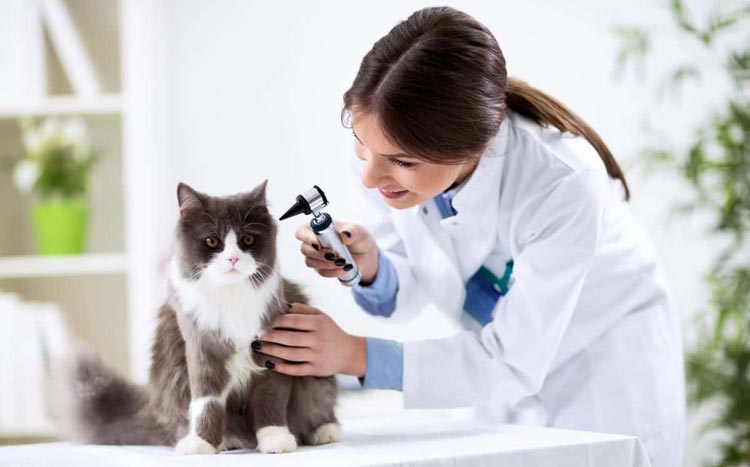
To become a good home-visit veterinarian, you need to study hard, work hard, and have experience. A good record in science classes and a love of caring for others are the first steps. Valentina Fresta and other experts say that the most crucial things are having a degree, finishing clinics, and building trust with pet owners. People who love animals can learn the essentials of how to check their health, provide them safe medicines, and handle them with care.
Internships and clinical training
- Take part in clinical rotations at animal hospitals or clinics.
- Help with basic treatments, tests, and operations.
- Learn how to use tools for tests and checks.
- Pay attention to how vets talk to pets and their owners.
- Ask your vet mentors and peers for comments.
Requirements for licensing and certification
- Take and pass the national veterinary license test.
- Follow all state or country rules for permissions.
- Keep your certificates up to date by renewing them.
- Bring evidence of insurance for home visits.
Skills for the real world and soft skills
- Be calm when checking on and caring for pets.
- Look at how your pet acts to see if they are in discomfort or stressed.
- Talk to owners clearly about the steps in the treatment.
- Plan your time so you can get to homes on time.
- Calmly adjust to your home environment.
Communication and understanding are important
- Be nice to pets and their owners.
- Listen to what the owner has to say and answer all of their inquiries.
- When you talk about how to take care of a pet, be clear.
- Make sure to build trust during each visit.
Continued Learning and Career Growth
- Go attend workshops to learn about new treatments.
- Read publications for veterinarians and look into fresh studies.
- Talk to a Veterinarian in Catania for advice.
Anyone can become a trusted home-visit veterinarian by getting the necessary degree, getting some hands-on experience in a clinic, and taking more courses. Training, working with real cases, and having good soft skills all help create trust with clients and take better care of pets. Every step you take, whether it’s doing lab work at a vet school or helping an older doctor, makes you more skilled.
Always be curious, ask your mentors for advice, and join vet groups. A good blend of formal education and field experience gets you ready to go to people’s homes and give them calm, safe treatments. You may provide pets good care where they feel most comfortable by following these instructions.







Comments