
 By
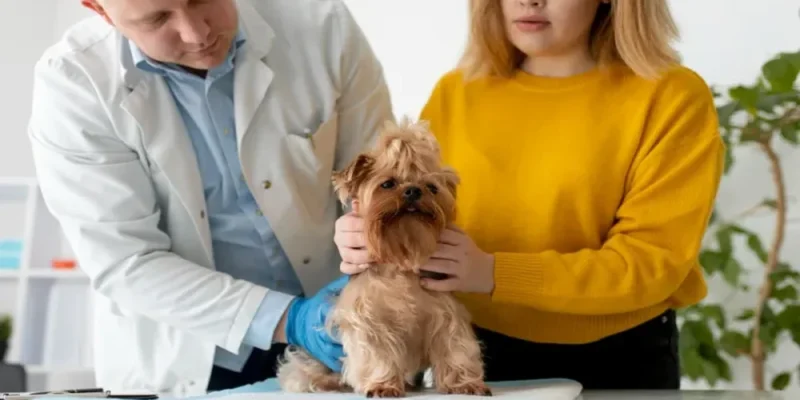
You know your pet’s habits. The usual greeting at the door, the quick run to the food bowl, the way they nose around for crumbs or steal things they should not touch. When that changes, it gets your attention fast. A pet that is vomiting, refusing food, acting restless, or curling up in pain can leave you scared and guessing. If they got into socks, string, bones, corn cobs, toys, or hair ties, that fear gets sharper, and calling a veterinary clinic in Sussex WI can help you get answers quickly.
An intestinal blockage is one of those problems that can turn serious quickly. Food, fluid, and gas can no longer move through the gut the way they should. Some pets seem only mildly off at first, then crash later. That is why how animal clinics diagnose intestinal blockages in curious pets matters so much. The goal is to find out, as quickly and safely as possible, whether your pet has an obstruction, where it is, and how urgent treatment needs to be.
Intestinal blockages in pets often start with small signs that do not stay small
A blockage can look ordinary in the beginning. Maybe your dog vomits once and still wags their tail. Maybe your cat hides under the bed and skips one meal. You might hope it is an upset stomach that will pass by morning. Sometimes it is. Sometimes it is not.
When a pet swallows something that cannot pass, the intestine may become partly or fully blocked. That can cut off normal movement through the digestive tract and, in some cases, reduce blood flow to the bowel. According to Cornell’s overview of gastrointestinal foreign body obstruction in dogs, common signs include vomiting, diarrhea, abdominal pain, lethargy, and loss of appetite. A pet may also strain, drool, pace, or seem unable to get comfortable.
The hard part is that these signs overlap with many other problems. Pancreatitis, severe stomach upset, toxin exposure, constipation, and even some infections can look similar. That is why a diagnosis is not based on one symptom alone. A good animal clinic builds the full picture step by step.
Animal clinic testing for bowel obstruction begins with the exam and history
The first part of the workup is simple but critical. The veterinary team asks what your pet may have eaten, when symptoms started, how often they have vomited, whether they are passing stool, and whether their behavior has changed. If you saw them chew up a toy or swallow part of a blanket, say so right away. Even small details can change the plan.
Then comes the physical exam. The vet checks hydration, temperature, heart rate, gum color, abdominal tension, and pain. Sometimes they can feel a firm loop of bowel or even a foreign object. Sometimes the abdomen feels normal, especially early on or in larger pets. A normal exam does not rule out a blockage.
Bloodwork often follows. This does not confirm an obstruction by itself, but it helps show the toll the problem is taking. Vomiting and poor intake can cause dehydration and electrolyte shifts. If the bowel has been affected for longer, there may be signs of inflammation or other organ stress. These results also help the clinic decide how stable your pet is for imaging, sedation, or surgery.
Imaging shows whether a pet digestive obstruction is likely and how urgent it is
X rays are often the first imaging test. They can show gas patterns, distended loops of intestine, stomach enlargement, or an obvious swallowed object if that object is dense enough to appear on the image. Some items, like fabric or plastic, do not show clearly. The pattern they create in the bowel may still raise concern.
Ultrasound adds another layer. It can show bowel movement, thickening, fluid buildup, and foreign material that plain radiographs may miss. In many cases, ultrasound is what clarifies whether a partial blockage is present or whether surgery is becoming likely. The University of Minnesota explains in its summary of small intestinal obstruction that pressure builds above the blockage, stretching the intestine and disrupting normal function. That physical change is part of what imaging looks for.
Advanced imaging is sometimes needed, especially when the case is unclear or the pet’s signs are severe. A dedicated veterinary imaging service may use several tools to sort out a difficult diagnosis. Cornell’s veterinary imaging service outlines how radiology, ultrasound, CT, and other modalities help pinpoint internal problems with greater detail.
| Diagnostic step | What it helps reveal | Limits |
|---|---|---|
| History and physical exam | Timing, possible swallowed item, pain, dehydration, abdominal changes | Cannot confirm the exact location or cause on its own |
| Bloodwork | Hydration status, electrolyte imbalance, inflammation, organ stress | Supports diagnosis but does not prove blockage |
| X rays | Gas patterns, enlarged stomach or intestines, some foreign objects | Soft materials may not be visible |
| Ultrasound | Bowel motion, fluid, tissue changes, hidden foreign material | Image quality can vary with gas and patient cooperation |
| CT or advanced imaging | Detailed view in complicated or uncertain cases | Higher cost and may not be needed in straightforward cases |
Diagnosing intestinal obstruction in pets also means deciding on treatment fast
Diagnosis is not only about naming the problem. It is about deciding what happens next. Some swallowed items can pass with close supervision. Others will not, and waiting too long raises the risk of bowel damage, perforation, infection, and a much harder recovery. A partial blockage can become complete. A playful pet can go from uncomfortable to critical in a short window.
This is where cost worries and fear often hit at the same time. You may be thinking about emergency fees, imaging costs, possible surgery, and whether you should “watch and wait” one more night. If your pet cannot keep water down, seems painful, has a swollen belly, or you know they swallowed something risky, delay is the expensive choice more often than people expect.
Three steps you can take right away when a blockage is possible
1. Write down the timeline. Note when symptoms started, what your pet may have swallowed, when they last ate, when they last passed stool, and how often they have vomited. A clear timeline helps the animal clinic move faster.
2. Do not try home fixes. Do not induce vomiting unless a veterinarian specifically tells you to. Do not offer oils, bread, or random remedies to “push it through.” Some objects can cause more damage coming back up or moving farther down.
3. Seek veterinary care early. If signs are ongoing for more than a few hours, if vomiting repeats, or if your pet looks painful or weak, contact an animal clinic the same day. Early imaging and supportive care can change the outcome.
Curious pets need quick answers and steady care
Pets explore with their mouths, and sometimes that curiosity turns into a real emergency. Fast, careful pet blockage diagnosis gives you something better than guessing. It gives you a plan. If your pet is showing signs that fit a possible intestinal blockage, reach out to an animal clinic now and get them assessed before a bad night turns into a harder recovery.








Comments